(questo BLOG è stato visitato 4669 volte)
ULTIMI 10 VISITATORI:
ospite, ospite, ospite, ospite, ospite, ospite, ospite, ospite, ospite, ospite
[ ELENCO ULTIMI COMMENTI RICEVUTI ]
Tuesday, July 15, 2008 - ore 14:36
Così cominciava la mia tesi...
(categoria: " Università / Scuola ")
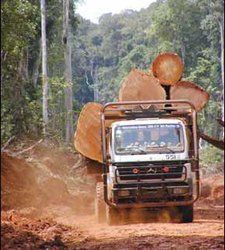
The thesis objective is the analysis of the phenomenon of the Conflict timber, a new term coined by UN experts in 2001. The definition of Conflict timber assumed in the thesis work is that one of the British NGO Global Witness: “timber traded at some point in the chain of custody by groups involved in armed conflicts, such as rebel factions, regular soldiers or civil administration to perpetuate conflict or take advantage of conflict for personal gain”.
Conflict timber arises from the complex reality of unsustainable forest management, characterized by forest corruption and illegal logging. According to the research of United States Agency for International Development (USAID), it is possible to distinguish two mechanisms with which the phenomenon acts. A first typology is called Conflict fueled by timber, that identifies the link between illegal logging and trade of arms. A second way with which Conflict timber appears, is known as Conflict over timber resources, that represents the struggle between loggers, state’s actors, local policy, rebels and local community. The struggle for forest resources causes conflicts, fueled by revenues of timber’s trade. In the second typology the link between arms and timber is not yet proved in reality, even if is sure that the two problems are strictly related.
The thesis tries to explain how Conflict timber appears, why it exists, its consequences and where this practice arises, with special reference to the involvement of Italian wood industries and traders in the problem. A case study approach is used presenting evidence of Conflict timber problems in various countries.
In Ita...
Il Conflict timber si presenta come una minaccia sociale, politica, ecologica.
In questo studio, si evince come il fenomeno esaminato abbia contribuito ad alimentare guerre in varie regioni del mondo. Il mercato del legname ha permesso il finanziamento diretto di conflitti armati in tutto il mondo. Si annoverano i casi della Cambogia, del Myanmar, della Repubblica Democratica del Congo, della Liberia. In altre realtà, la concorrenza per lo sfruttamento delle risorse forestali ha condotto a disordini sociali, rivolte e scontri locali.
La ricerca svolta ha osservato il problema secondo le modalità, le cause e le conseguenze manifestate nelle casistiche considerate. Ai concetti generali si sono poi descritte le realtà locali, che hanno permesso di definire una panoramica del fenomeno per area geografica. Si è poi discusso relativamente agli strumenti già in uso alle, soluzioni possibili, all’implementazione di nuove strategie.
Nelle condizioni di arretratezza politica, finanziaria, giuridica dei PVS prospera il grande affare forestale, in una connivenza stretta tra attività legali e illegali fino al punto di confonderle e formarne una sola (WRM, 2007).
Secondo la FAO (2007), a causa dell’illegalità delle pratiche forestali circa 1,6 miliardi di persone sarebbero a rischio di sopravvivenza per la dipendenza diretta dalle foreste. Il Conflict timber si presenta come un pericolo verso questi popoli, e va contrastato sia in nome dei diritti fondamentali dell’uomo, sia per perseguire gli obiettivi di una gestione sostenibile delle risorse forestali.
 LEGGI I COMMENTI
 (4)
PERMALINK